

Currently Empty: 0,00 EGP



Learn Quran
How to Learn to Read the Quran Correctly and Easily?
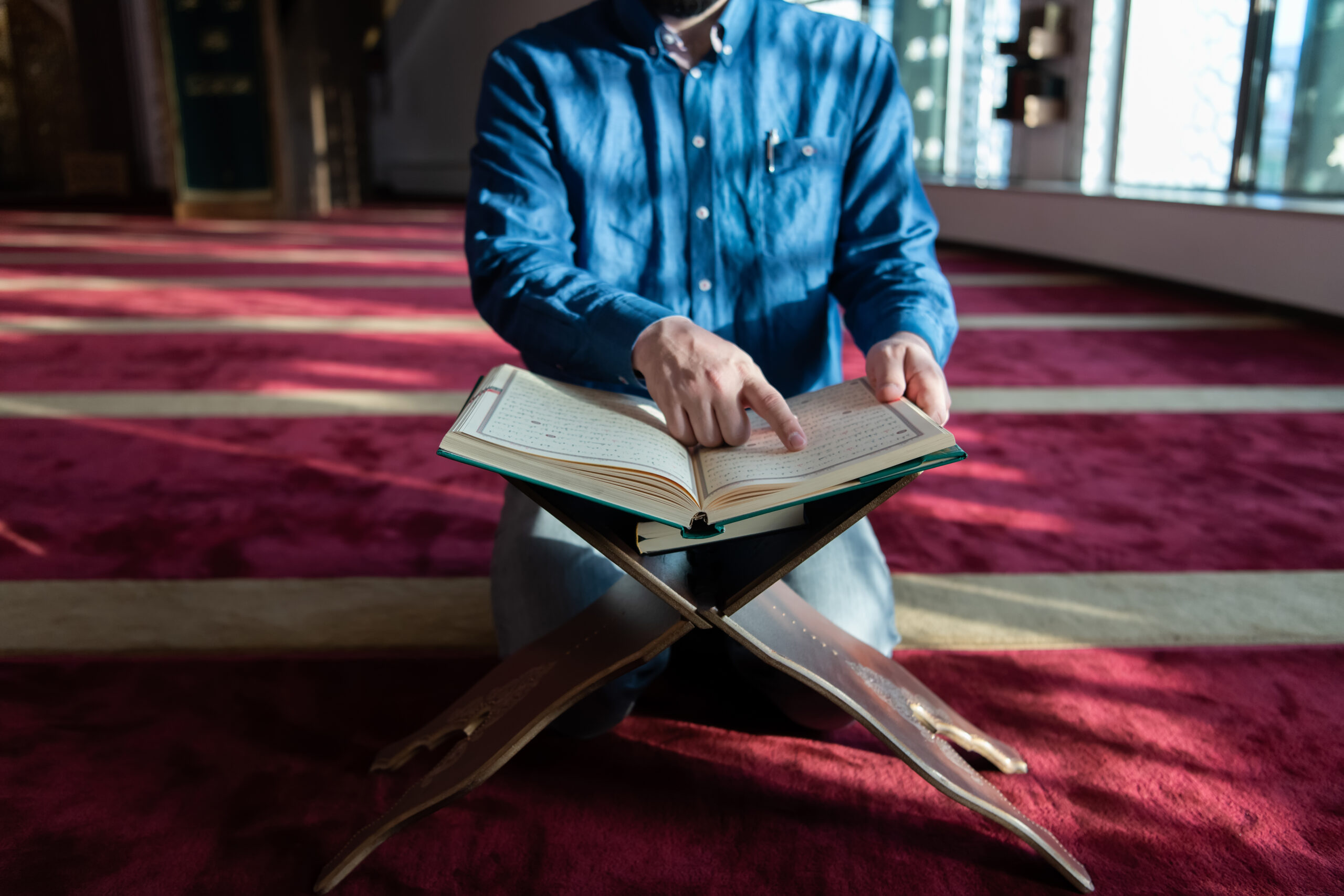
The Messenger of Allah (may Allah’s peace and blessings be upon him) said: “The one who recites the Qur’an skillfully will be in the company of the noble and righteous messenger-angels and the one who reads the Qur’an, but stutters and finds it difficult, receives a double reward.”
Reading the Quran is a profound and rewarding experience for many. To approach this task correctly and easily, one must consider several essential steps and principles. Below, we outline a comprehensive guide to help you on your journey.
What this article covers
| Step | What you work on |
|---|---|
| 1 | Begin with Learning the Basics |
| 2 | Understanding the Essentials of Tajweed Rules |
| 3 | Following the Directions and Advices of Your Tutor |
| 4 | Commitment and Hardworking |
| 5 | Consistent Daily practice |
STEP 1
Begin with Learning the Basics
Before diving into the Quran, it’s crucial to learn the Arabic alphabet and basic phonetics. Familiarize yourself with the letters and their sounds. This foundational step will make it easier to recognize and pronounce words accurately.
STEP 2
Understanding the Essentials of Tajweed Rules
Tajweed refers to the set of rules governing the pronunciation of the letters in the Quran. Some fundamental concepts include:
- Tafkheem (Emphasis): This involves pronouncing certain letters with a fullness or emphasis. For instance, letters like “ص” (Saad) and “ض” (Dhad) are pronounced strongly.
- Tarqeeq (Lightness): On the other hand, some letters, such as “ل” (Laam) and “ن” (Noon), should be pronounced lightly.
Understanding these principles will enhance your recitation and ensure that you are reading the Quran as intended. The Quran Tajweed Course works through these rules in order, so they are practised with a tutor rather than memorised as a list.
STEP 3
Following the Directions and Advices of Your Tutor
A qualified teacher plays a vital role in the learning process. They provide guidance, correct mistakes, and offer personalized feedback. A good teacher will help students with:
- Talqeen (Recitation): Assisting students in reciting verses correctly.
– Clarification: Explaining the rules of Tajweed and how to apply them in practice.
Having a supportive teacher can significantly enhance a student’s learning experience.
STEP 4
Commitment and Hardworking
As a student, your responsibility is to remain diligent and committed. Key practices include:
- Regular Practice: Set aside time each day to practice reading the Quran.
– Listening: Engage with recitations by skilled Qaris (reciters) to attune your ear to proper pronunciation and rhythm.
Active participation and consistent practice are essential for mastery.
STEP 5
Consistent Daily practice
Consistent daily practice is crucial for mastering the reading of the Quran. Just like any skill, regular engagement and repetition are key to improvement and retention. Here’s a detailed breakdown of how to implement effective daily practice for reading the Quran.
Establish a Routine
Creating a structured routine helps in making Quran reading a habitual part of your daily life. Consider the following steps:
- Choose a Specific Time: Identify a time of day when you are most alert and focused. Many people prefer reading in the early morning or after prayer when they can concentrate without distractions.
– Set a Duration: Decide on a specific duration for each session. This could range from 15 minutes to an hour, depending on your schedule and ability to focus.
Learning to read the Quran is a journey that requires patience, dedication, and the right guidance. By focusing on the basics, understanding Tajweed, and engaging with knowledgeable teachers, you can develop a strong foundation in Quranic recitation. Remember, the effort you put in will be rewarded, both in this life and the hereafter. Start your journey today and embrace the beauty of the Quran!
If you would rather be corrected by a teacher than work it out alone, the academy teaches this live online on its Quran reading course, with two free trial sessions before anything is paid.
Frequently asked questions about reading the Quran
Do I need to know Arabic to read the Quran?
No. Reading the script and understanding the language are two separate skills, and this article is about the first. Many people read accurately long before they can follow a sentence of Arabic by ear.
How long does it take to learn to read the Quran?
There is no honest single answer: it depends on what you can already read, how often you practise and how much you do between lessons. The full explanation is in how long it takes to learn to read the Quran.
What is Tajweed, and do I need it from the first lesson?
Tajweed (تجويد) is the set of rules governing how the letters are pronounced and joined. You do not need the whole system on day one, but the basics belong early, before a habit forms that has to be unlearned later.
Can I learn on my own from videos?
You can learn the shapes that way. What a video cannot do is hear you: most learners cannot detect their own errors, and a teacher catches them in the moment.
Do you offer an Ijazah in the Quran?
Students of the Quran and Tajweed programme are offered an Ijazah in the Holy Quran with a connected chain of transmission (sanad muttasil) from Al-Azhar Al-Sharif. It is earned by reciting to a qualified teacher rather than granted automatically, and no timeframe is promised for it.
Start with two free sessions
Meet your tutor, be assessed at your own level, then decide. The two sessions are free, and there is no obligation to continue.