

Currently Empty: 0,00 EGP



Learn Quran
How to Teach Noor Al-Bayan to Children Starting from Age 4
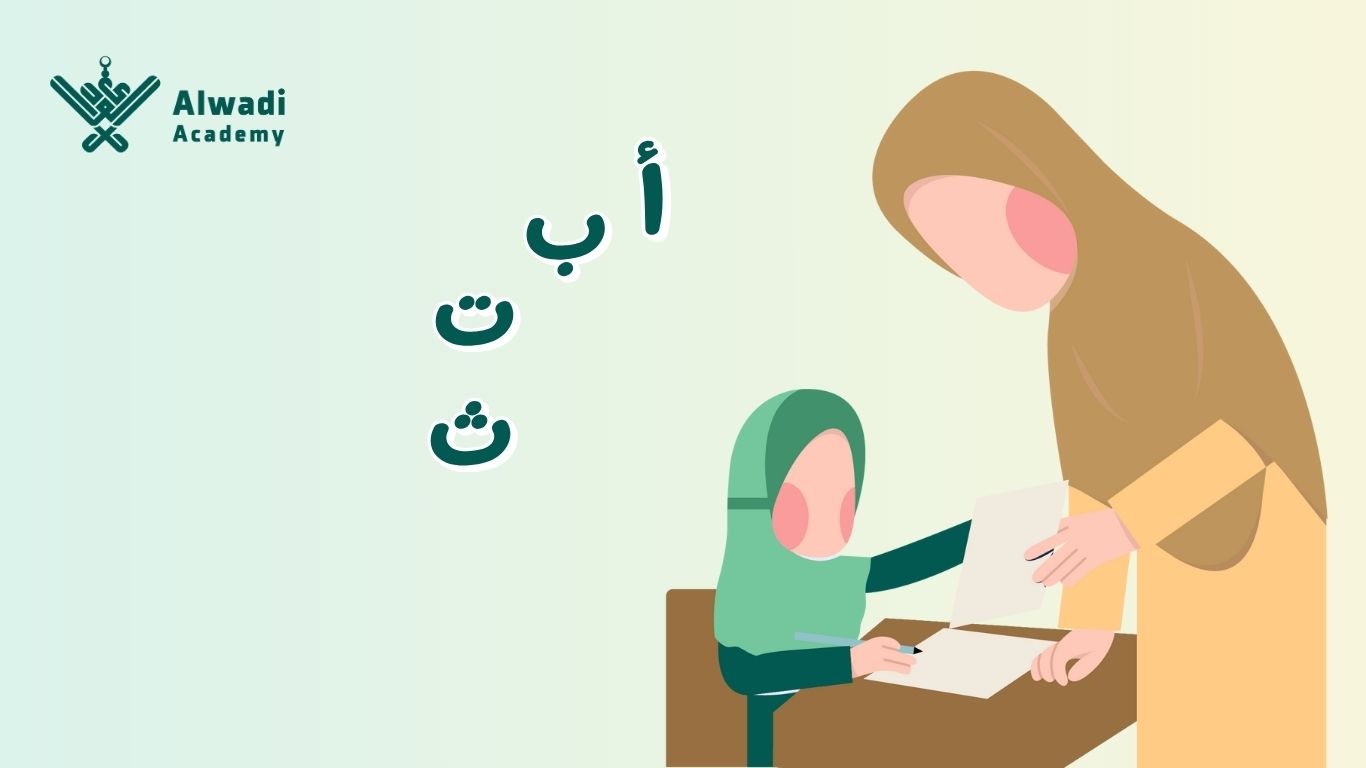
Teaching children the Noor Al-Bayan method can be a rewarding experience, especially for parents and educators looking to instill a love for reading the Quran in young age. Noor Al-Bayan is an effective phonics-based approach that helps children learn Arabic in a fun and engaging way. Here’s a comprehensive guide on how to introduce this method to children starting from the age of four.
What this article covers
| Step | What you work on |
|---|---|
| 1 | Learning the sounds and the shapes of the Alphabets |
| 2 | Creating a Fun Learning Environment |
| 3 | Start with Phonics |
| 4 | Engage with Interactive Activities |
| 5 | Utilize Technology |
| 6 | Encourage Consistent Practice |
| 7 | Celebrate Progress |
STEP 1
Learning the sounds and the shapes of the Alphabets
Noor Al-Bayan is designed to teach the Arabic language through a structured phonetic approach. It focuses on letter recognition, sounds, and the formation of words, making it suitable for young learners. Understanding its core principles will help in effectively teaching it to children. If you would rather a tutor led this, the Arabic language programme is taught live online.
STEP 2
Creating a Fun Learning Environment
Children learn best in an engaging and interactive setting. Here are some tips to create a fun learning environment:
- Use Colorful Materials: Incorporate colorful flashcards, storybooks, and interactive games that feature Arabic letters and sounds.
- Incorporate Play: Integrate learning with play by using songs of the letters or songs of Harakat or Harakat (movement) games that relate to the language.
STEP 3
Start with Phonics
Phonics is the foundation of the Noor Al-Bayan method. Begin with the following steps:
- Introduce Letters Gradually: Start with a few letters at a time. Use visual aids and sound cues to help children recognize and pronounce each letter.
- Use Repetition: Reinforce learning through repetition. Encourage children to practice writing and saying the letters multiple times.
- Division of the similar Letters: divide the similar letters together to ease its learning and know the difference between them easily.
STEP 4
Engage with Interactive Activities
To keep children interested, incorporate interactive activities:
- Storytelling Sessions: Read stories that incorporate the letters and sounds they are learning. This helps in contextualizing the language.
- Crafts and Art: Create art projects based on the letters or words learned. For instance, making letter collages or drawing objects that start with a specific letter.
STEP 5
Utilize Technology
Incorporating technology can enhance the learning experience:
- Educational Apps: Use apps designed for learning Arabic that follow the Noor Al-Bayan method. These often include games and quizzes that make learning enjoyable.
- Online Resources: Leverage online videos and tutorials that demonstrate the teaching techniques of Noor Al-Bayan.
STEP 6
Encourage Consistent Practice
Consistency is key in language learning. Establish a routine that allows for daily practice, even if it’s just for 15-20 minutes a day. This could include:
- Daily Reading Time: Set aside time each day for reading Arabic books together.
- Weekly Reviews: Incorporate weekly reviews of previously learned letters and sounds to reinforce memory.
STEP 7
Celebrate Progress
Recognize and celebrate the child’s progress to keep them motivated:
- Certificates of Recognition: Create a reward system for achieving milestones, such as certificates of accomplish.
- Showcase Work: Display their work and progress at home to encourage pride in their learning journey
If you would rather not teach the method yourself, the academy teaches Noor Al-Bayan live online on its Quran classes for beginners, for children and adults, with two free trial sessions before anything is paid. If you are deciding between this method and Noorani Qaida, the comparison of the two primers sets out what actually differs. If the question is when to begin at all, the article on what age a child should start Quran lessons covers the signs of readiness.
Frequently asked questions about Noor Al-Bayan
What age can a child start Noor Al-Bayan?
This guide is written for children from the age of four, because the method begins with sounds and letter shapes rather than whole words. Alwadi Academy sets no minimum age, so the useful question is how long your child can sit and take part, not how old they are.
Does my child need to know the Arabic alphabet first?
No. Noor Al-Bayan starts at the letters themselves — their sounds first, then their shapes — which is exactly why it suits a complete beginner.
How long does it take to work through Noor Al-Bayan?
There is no fixed number of lessons. Progress depends on how often your child studies and how much practice happens between lessons, and a short daily routine is worth more than one long session a week.
Is Noor Al-Bayan the same as Tajweed?
No. Noor Al-Bayan is a reading primer: it teaches the letters, their sounds and how words are built. Tajweed is the set of rules for reciting the Quran correctly, and it comes once a child can read.
Which tutor will teach my child?
Female tutors teach women and children, and male tutors teach men and boys. You can ask for the tutor you want when you book, and the two free sessions are there so you can hear how a lesson sounds before choosing a plan.
Start with two free sessions
Meet your tutor, be assessed at your own level, then decide. The two sessions are free, and there is no obligation to continue.